

60% Off – Sale Ends Tomorrow
60% Off – Sale Ends Tonight
Now 60% Off for a Limited Time
When race comes up in a session . . .
 . . . do you know how to address it? Should you fall back on your training and remain neutral – or will that send the wrong message?
How do you make sure that your practice is a safe place to talk about issues of race and racism. And what’s more, how do you convey that to clients?
What if a client makes a racist comment – do you confront them? And if so, how do you do it without losing rapport and threatening the therapeutic relationship?
Beyond that, how do you regulate yourself when talking about race gets difficult?
In this course, we’ll dive into how you can more skillfully talk about issues of race and racism in a session with a client.
— New Short Course —
How to Talk About Race in a Session
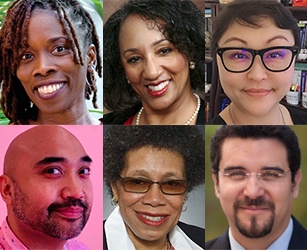
Strategies to Uncover and Shift Implicit Bias
Thema Bryant, PhD; Shelly Harrell, PhD; Yuying Tsong, PhD;
Kevin Nadal, PhD; Beverly Greene, PhD; Miguel Gallardo, PsyD
- An Intervention to Uncover Implicit Bias and Create Long-Term Change in Behavior
- How to Manage Bias That Might Become Activated During a Session
- Three Ways That Bias Commonly Shows Up in the Therapeutic Relationship
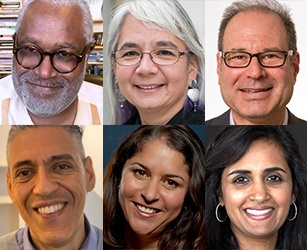
How to Build Trust and Rapport with Clients of Color
Daryl Rowe, PhD; Karen Suyemoto, PhD; Jeff Ring, PhD;
Ray Rodriguez, LCSW-R; Carrie Castaneda-Sound, PhD;
Usha Tummala-Narra, PhD; Anneliese Singh, PhD; Beverly Greene, PhD;
Thema Bryant, PhD; Miguel Gallardo, PsyD
- Proactive Steps to Help Establish Trust BEFORE a Client of Color Comes to See You
- A 3-Step Strategy to Build Rapport and Let Clients Know Race Is a Safe Topic to Discuss
- A Counterintuitive Approach That Can Help Accelerate the Rapport-Building Process
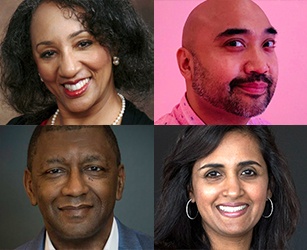
Strategies to Regulate Yourself When Talking About Race Is Difficult
Shelly Harrell, PhD; Kevin Nadal, PhD;
Howard Stevenson, PhD; Usha Tummala-Narra, PhD
- Specific Steps to Help Prepare for Stressful Conversations About Race
- A 5-Step Strategy to Better Understand Your Response to Racially Stressful Conversations
- An Expert Technique to Help Regulate Yourself When Talking About Race
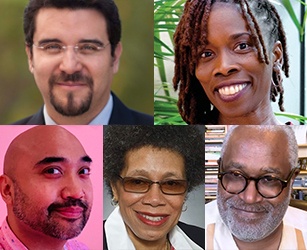
The Pitfalls of Remaining Neutral (and How to Avoid It)
Miguel Gallardo, PsyD; Thema Bryant, PhD;
Kevin Nadal, PhD; Beverly Greene, PhD; Daryl Rowe, PhD
- Specific Language to Help You Validate a Client’s Experience of Racism
- Three Reasons Why Neutrality Can Have a Detrimental Effect on the Therapeutic Relationship
- One Critical Misstep to Avoid When a Client Discloses an Experience of Racial Stress or Trauma
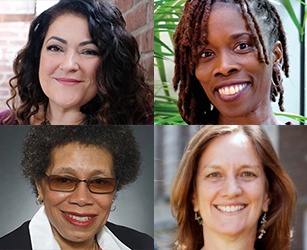
How to Address a Client’s Inadvertent Racist Statements without Shaming
Anneliese Singh, PhD; Thema Bryant, PhD;
Beverly Greene, PhD; Meg Bond, PhD
- A 2-Part Strategy to Address Racist Comments without Harming the Therapeutic Alliance
- Specific Language to Help You Respond to a Client Who Inadvertently Says Something Racist
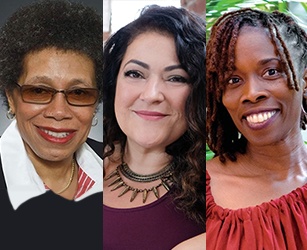
When a Client Is Intentionally Racist in a Session: How to Respond
Beverly Greene, PhD; Anneliese Singh, PhD; Thema Bryant, PhD
- How to Respond to Clients Who Say Something Hurtful About Your Race or Culture
- Common Reasons Why Clients Intentionally Say Something Racist in a Session
- How to Skillfully Explore the Distorted Beliefs That Fuel a Client’s Racism
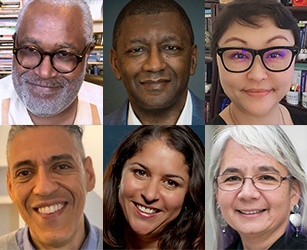
Moving Beyond Competence: How Cultural Humility Can Strengthen Your Work with Clients
Daryl Rowe, PhD; Howard Stevenson, PhD; Yuying Tsong, PhD;
Ray Rodriguez, LCSW-R; Carrie Castaneda-Sound, PhD;
Karen Suyemoto, PhD; Jeff Ring, PhD
- The Shortcomings of Cultural Competence (and How to Avoid Them)
- Three Key Components of a Culturally Humble Approach
- How to Correct the Power Imbalance Between You and Your Clients
Register Here for $197 $77
and get all the videos, audios, transcripts, learning tools, plus 3 bonuses
to help you more skillfully talk about issues of race and racism in a session with a client
Sign Me Up
Up to 3 CE/CME Credits or Clock Hours are available for purchase at checkout.
Click HERE to get information about CE/CME credits and clock hours as well as speaker disclosures

For This Short Course, We Brought Together Some of the Top Experts in the Field
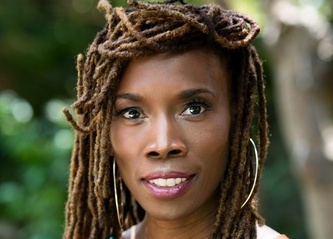
Thema Bryant, PhD
Licensed psychologist specializing in relief and empowerment of marginalized persons; Professor of Psychology in the Graduate School of Education at Pepperdine University; author of Thriving in the Wake of Trauma: A Multicultural Guide.
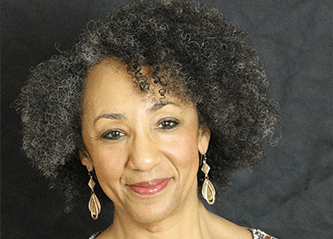
Shelly Harrell, PhD
Licensed psychologist specializing in multicultural and community psychology; Professor of Psychology in the Graduate School of Education at Pepperdine University.
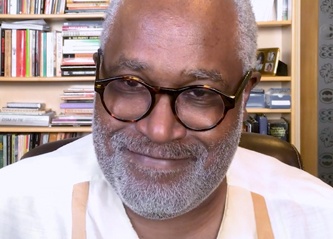
Daryl Rowe, PhD
Licensed psychologist; Professor Emeritus of Psychology at Pepperdine University; National Chair of The African Psychology Institute; Former President of the Association of Black Psychologists.
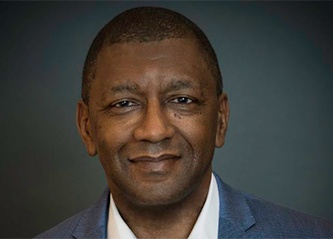
Howard Stevenson, PhD
Constance Clayton Professor of Urban Education and Professor of Africana Studies at the University of Pennsylvania; Executive Director of the Racial Empowerment Collaborative; clinical psychologist and researcher on negotiating racial conflicts.
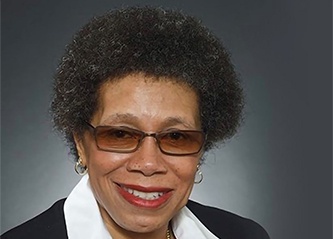
Beverly Greene, PhD
Professor of Psychology at St. John’s University; licensed psychologist specializing in the psychology of women, gender, and racial issues; recipient of the Distinguished Publication Award from the Association for Women in Psychology.
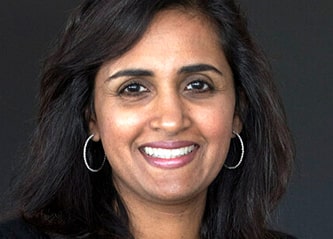
Usha Tummala-Narra, PhD
Professor of Counseling, Developmental, and Educational Psychology at Boston College; Author of Psychoanalytic Theory and Cultural Competence in Psychotherapy; Co-author of Applying Multiculturalism: An Ecological Approach to the Multicultural Guidelines.
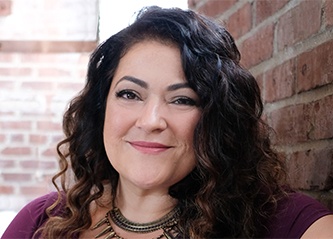
Anneliese Singh, PhD, LPC
Professor of Social Work and Associate Provost for Diversity and Faculty Development/Chief Diversity Officer at Tulane University; expert in racial healing, social justice, and the resilience of queer and trans people of color; author of The Racial Healing Handbook.
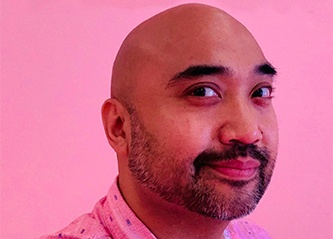
Kevin Nadal, PhD
Distinguished Professor at John Jay College of Criminal Justice; researcher on the impact of microaggressions on the mental health of marginalized persons; author of Microaggressions and Traumatic Stress.
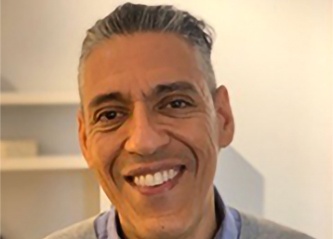
Raymond Rodriguez, LCSW-R
Licensed clinical social worker specializing in trauma therapy with members of marginalized communities; Adjunct Faculty Member at Columbia University School of Social Work; Faculty Member of the Sensorimotor Psychotherapy Institute.
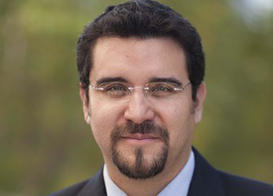
Miguel Gallardo, PsyD
Licensed Psychologist specializing in multicultural and social justice; Associate Professor at Pepperdine University’s Graduate School of Education and Psychology; author of Case Studies in Multicultural Counseling and Therapy.
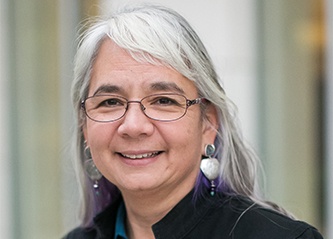
Karen Suyemoto, PhD
Professor of Clinical Psychology and Director of the Transnational Cultural and Community Studies Graduate Program at University of Massachusetts, Boston; Chair of the APA Task Force on Race and Ethnicity Guidelines in Psychology.

Yuying Tsong, PhD
Professor in the Department of Human Services at California State University; counseling psychologist specializing in body image and disordered eating in Asian Americans; Past President of the Society for the Psychology of Women.
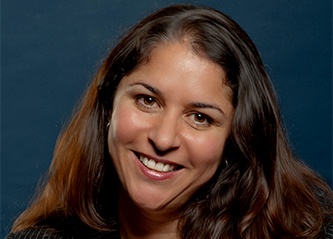
Carrie Castaneda-Sound, PhD
Licensed psychologist specializing in multicultural counseling, Latinx psychology, and liberation psychology; Associate Professor of Psychology at Pepperdine University.
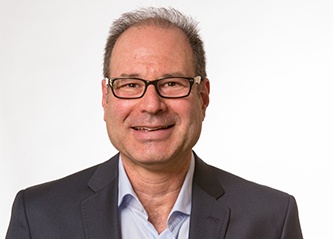
Jeffrey Ring, PhD
Professor at Keck School of Medicine at the University of Southern California; licensed psychologist specializing in culturally responsive care in medical education; author of the Curriculum for Culturally Responsive Care: The Step-by-Step Guide for Cultural Competency Training.
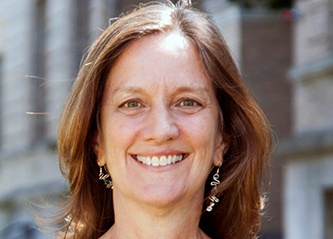
Meg Bond, PhD
Emerit Professor of Psychology and former Director of the Center for Women and Work at the University of Massachusetts Lowell; Author of Workplace Chemistry: Promoting Diversity Through Organizational Change
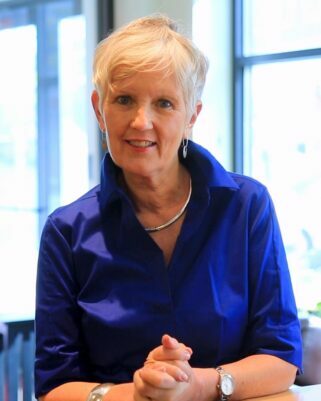
Course Director and Co-Host
Ruth Buczynski, PhD
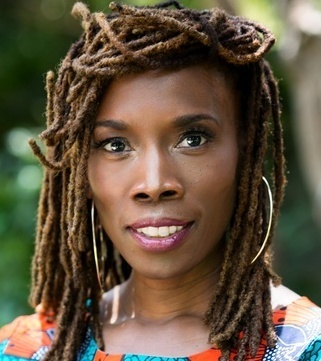
Course Director
Thema Bryant, PhD
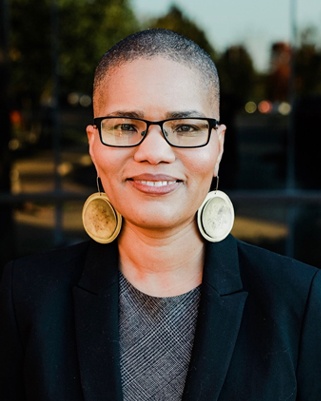
Co-Host
Eboni Webb, PsyD
Here's What You'll Get:
Everything is yours to keep forever in your professional library

|
Downloadable videos so you can watch at your convenience, on any device |
|
|
Audio recordings you can download and listen to at home, in the car, at the gym or wherever you like |
|
|
Professionally-formatted transcripts of the sessions, to make review and action simple |
|
|
Three downloadable bonus videos with even more concepts and strategies to integrate into your practice |
Get 3 Bonus Sessions with Even More Strategies to Help Your in Your Work
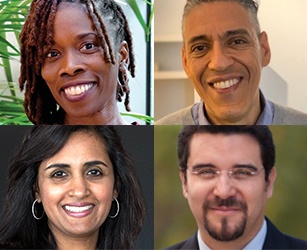
Bonus 1: Strategies to Work with Internalized Oppression
Thema Bryant, PhD Ray Rodriguez, LCSW-R
Usha Tummala-Narra, PhD Miguel Gallardo, PhD
- Two Consequences of Internalized Oppression (and How to Work with Them)
- Three Case Studies Illustrating Different Approaches for Working with Internalized Oppression
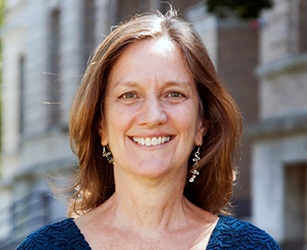
Bonus 2: Three Keys to Create Social Change in an Organization
Meg Bond, PhD
- How to Help a Group of People Buy into the Need to Enact Social Change
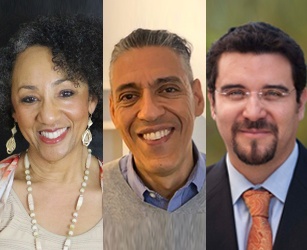
Bonus 3: The Pitfalls of a Colorblind Approach (and How to Avoid It)
Shelly Harrell, PhD Ray Rodriguez, LCSW-R Miguel Gallardo, PhD
- How a Colorblind Approach Can Harm the Therapeutic Relationship
- One Strategy to Shift Away From Colorblindness (Even When It’s Well-Intentioned
Register Here for $197 $77
and get all the videos, audios, transcripts, learning tools, plus 3 bonuses
to help you more skillfully talk about issues of race and racism in a session with a client
Sign Me Up
Up to 3 CE/CME Credits or Clock Hours are available for purchase at checkout.
Click HERE to get information about CE/CME credits and clock hours as well as speaker disclosures
Starting Today, This Program Can Change the Way You Practice
. . . I feel so fortunate to have this access to brain power, experience and research synthesis . . .
“When I listen to the experts talk openly about their experience, I feel so fortunate to have this access to brain power, experience and research synthesis on cutting edge issues! I go back to the videos to reinforce things that will assist my clients.”
Mary Logan, Counselor
Ipswich, MA

I benefit, my practice benefits, and most important my clients benefit . . .
“I live in Nova Scotia and have limited travel funds at the university at which I work. The series provided by NICABM gives me the rare opportunity to listen to the leaders in the field. As a result, I learn valuable information that would not otherwise be available to me. I benefit, my practice benefits, and most important my clients benefit from the knowledge and wisdom I gain from the series.”
David Mensink, PhD Counseling Psychology, Psychologist
Halifax, Nova Scotia, Canada
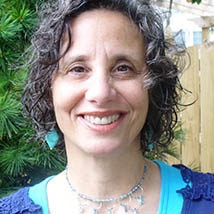
. . . some dare to go the extra journey to research and educate
“These NICABM series keep me afloat, in touch, on track, well trained in my field, and more personally healthy. The best aspect, though, is that I feel validated and comforted knowing that some dare to go the extra journey to research and educate, so I can walk the path to health, and can share with others.”
Mary Corsello-Vilcheck, LCSW
Midlothian, VA
Why the Transcript Is Essential:
Click the image to enlarge a transcript sample
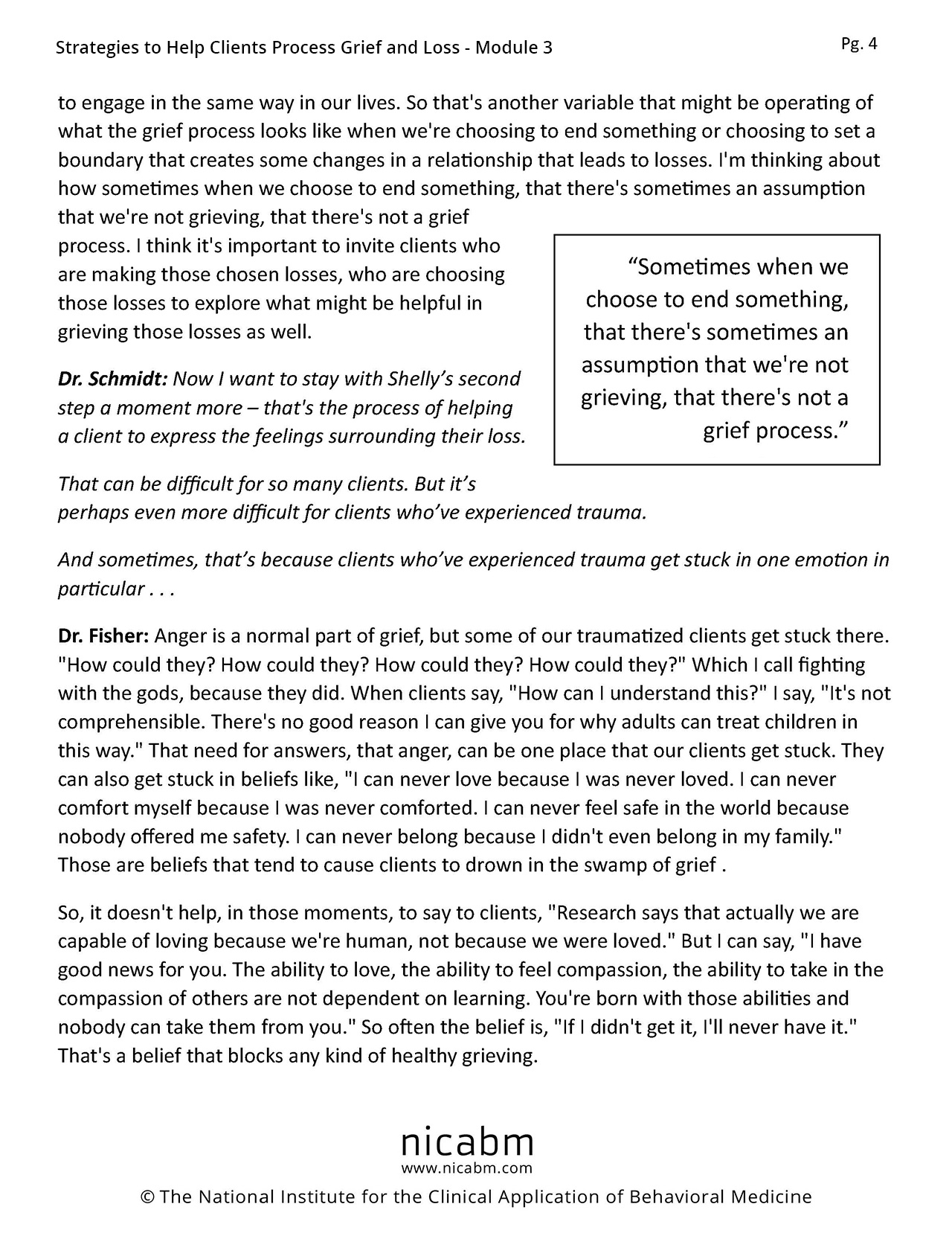
- The transcript makes it easy to go back and double check concepts, citations and names that are mentioned
- We put in a table of contents to make it easy for you to find the exact part of the webinar you need
- Having the concepts already written allows you to take notes on how you’re going to use the ideas rather than transcribing the ideas
- Some people simply learn better by reading than by listening or watching
- You will be able to print out and share techniques presented in the session with your patients

“I really liked being able to follow along with the transcripts as I listened…it was nice not to feel like I had to take notes. I really feel like I remember more when I both hear and see at the same time.”
Mary Ellen McNaughton, Masters in Counseling, Psychology Counselor
Kelowna, British Colombia, Canada

You Are Protected By
NICABM’s Money-Back Guarantee
We invite you to register for this training program without any risk. Unless you are completely satisfied, we will refund your money. Just let us know within 30 days from the date of registration. We are that confident that you will find this information to be more than you expected.
Register Here for $197 $77
and get all the videos, audios, transcripts, learning tools, plus 3 bonuses
to help you more skillfully talk about issues of race and racism in a session with a client
Sign Me Up
Up to 3 CE/CME Credits or Clock Hours are available for purchase at checkout.
Click HERE to get information about CE/CME credits and clock hours as well as speaker disclosures